of e-waste were generated in Australia in 2019.
 THE CAVEPost a testing ↗
Protect our earth / Buy less. Use longer.
Useful tech.
Less waste.
Don’t buy electronics just because they are new. Buy products that genuinely improve your life, look after them, repair them when possible and recycle them properly when their useful life is over.
Find a drop-off or repair cafe ↓THE SCALE OF E-WASTE THE NUMBERS BEHIND THE DRAWER
of e-waste were generated by the average Australian household.
of e-waste were produced worldwide in 2022.
was documented as properly collected and recycled globally in 2022.
Not ordinary rubbish / Handle with care
What happens when tech becomes waste?
E-waste can contain valuable materials—but it can also contain hazardous substances. Poor disposal can release lead, mercury, cadmium, nickel and cobalt into soil and groundwater.
Incorrectly handled electronics can also create fine contaminated dust. Devices with lithium-ion batteries may catch fire when crushed inside collection trucks or recycling machinery.
In Victoria, e-waste must not go into your household rubbish or ordinary recycling bin.Read EPA Victoria’s official guidance →
LUCAS’S SCHOOL REPORT GRAMMAR-CHECKED, IDEAS UNCHANGED
Electronic waste / A student report
What is electronic waste?
Electronic waste, or e-waste, is made up of discarded electronic devices or products that are old and no longer useful, such as old TVs, iPhones, computers, projectors, remote-control cars and smartwatches. Electronic waste has been a major problem since the 1970s.
What is electronic waste, or e-waste?
Electronic waste is made up of discarded electronic devices or products that are old and no longer useful. These discarded devices and products may then be buried or burnt. This is a big problem because when electronic products are sent to landfill and buried, dangerous toxic metals and chemicals such as lead, cadmium and mercury can leak from the e-waste into the soil. If it rains, water can carry the toxic materials and spread them, creating an even worse problem.
Another problem with burying electronic waste is that valuable metals, such as copper and silver, remain inside the devices. Instead of being recycled, these materials are buried as well.
People also burn electronic waste, which is another serious problem. When electronics are burnt, they can release dangerous compounds such as dioxins and furans. These compounds can travel a long way in the wind. Breathing them in can cause cancer, breathing problems and permanent damage to the brain and nervous system.
Why does electronic waste still happen?
E-waste happens because of fast changes in technology, planned obsolescence, high repair costs and the growing number of buyers in our world.
- Fast changes in technology
Fast changes in technology include new software and new hardware designs. These changes can make users want to throw away products with older software and hardware and replace them with newer ones. For example, when Apple designs a new iPhone with a new appearance and hardware such as an improved camera, some users may throw away an older iPhone and buy the latest model even if the old one still works.
- Planned obsolescence
Planned obsolescence is when a company intentionally designs a product to have a shorter useful life. Eventually, the product may stop working and the user may throw it into landfill, where it could be buried or burnt. The user may then buy another product from the same company, allowing the company to make more money.
- High repair costs
High repair costs occur when fixing a product costs roughly the same as, or more than, replacing it. The user may then throw away the product and buy a new one instead.
- More buyers in our world
More buyers in our world simply means that more products are purchased, which can also create more electronic waste.
What is the impact of electronic waste on humans and animals?
Humans
Poisoned soil caused by buried electronic products and polluted air caused by burnt electronics can severely damage human organs and nervous systems, as well as wildlife habitats. Heavy metals such as lead and mercury can damage the brain and nervous system, and they can also reduce children’s ability to learn. Chemicals such as dioxins may increase the risk of cancer and organ failure.
Animals
When electronic waste is buried, toxic substances may leak from the waste into the soil and then enter rivers. This can kill fish, and other animals that drink the water may also be at risk of dying. Some animals may survive after drinking the water, but if another animal eats them, the toxic substances can spread and make the problem worse. It is also possible for a human to eat a contaminated animal.
How can we fix this problem?
To reduce electronic waste, we can first buy fewer electronic products, choose devices that can last for at least ten years and think before we buy. Secondly, when a new product is released—for example, a new iPhone—do not buy it if your old phone still works perfectly. Thirdly, repair an electronic product instead of buying a new one. Lastly, give a working electronic product to someone else instead of throwing it away.
HOW TO REDUCE E-WASTE SEVEN BETTER HABITS
Pause before buying
Ask whether it solves a real problem and whether your current product still works.
Choose products that last
Look for durable materials, software support and replaceable parts.
Repair before replacing
A new battery, cable or screen can give a device years of extra life.
Give working tech a second life
Sell it, donate it or pass it to someone who will genuinely use it.
Protect your personal data
Back up what you need, sign out and securely erase phones and computers.
Keep batteries out of bins
Loose and embedded batteries can ignite inside trucks and recycling facilities.
Use a proper drop-off point
Take electronics to a centre that is equipped to recover materials safely.
THE CAVE 8+ RULE BUY PRODUCTS WORTH KEEPING
Score above 8.0 / A better starting point
Good tech should earn its place.
Before buying, start with products that score above 8.0 in The Cave’s real-world testing—and still ask whether the product is useful for you. A high score is not permission to overbuy. It is a guide to choosing something you are more likely to keep using.
 9.8CAVE SCORE
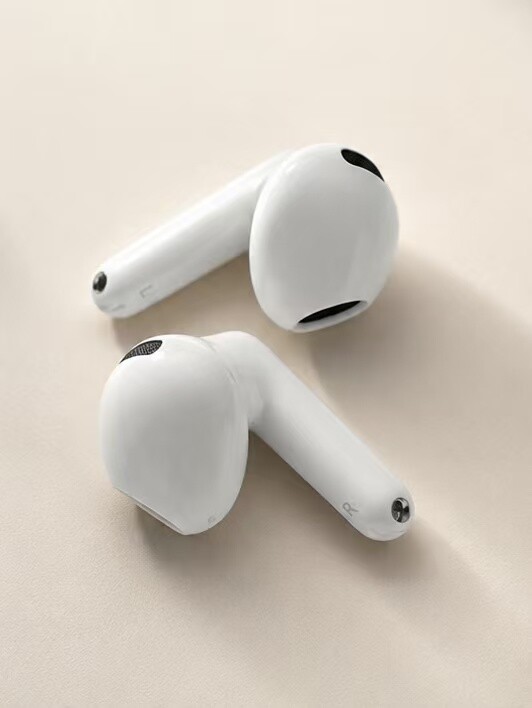
Vivo TWS Air3 Pro
Affordable earbuds that delivered strong sound, ANC and useful everyday controls.
Read the testing →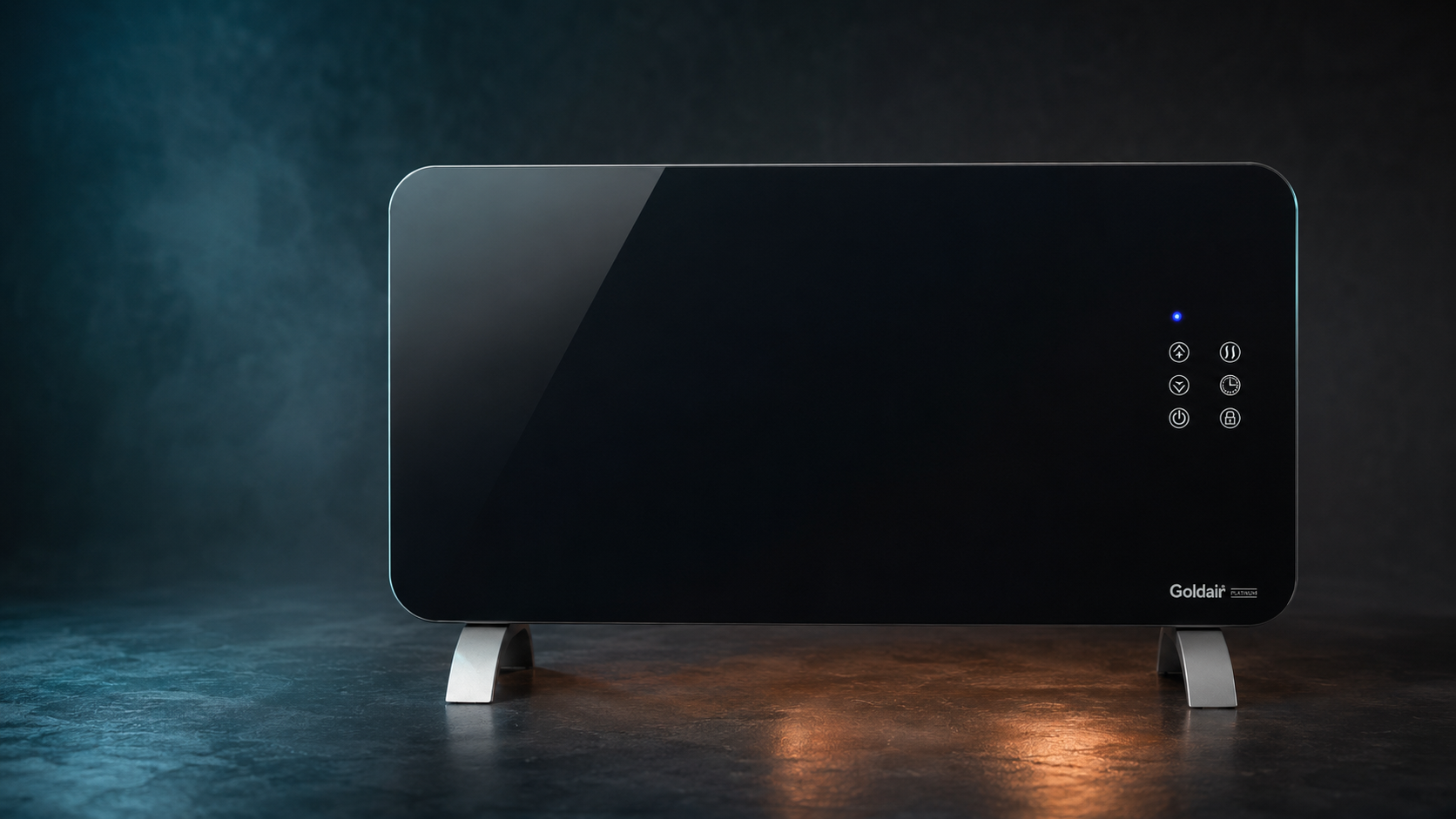 9.8!CAVE SCORE
Goldair 2400W Wi-Fi Heater
A genuinely useful smart heater that made Melbourne winter more comfortable.
Read the testing →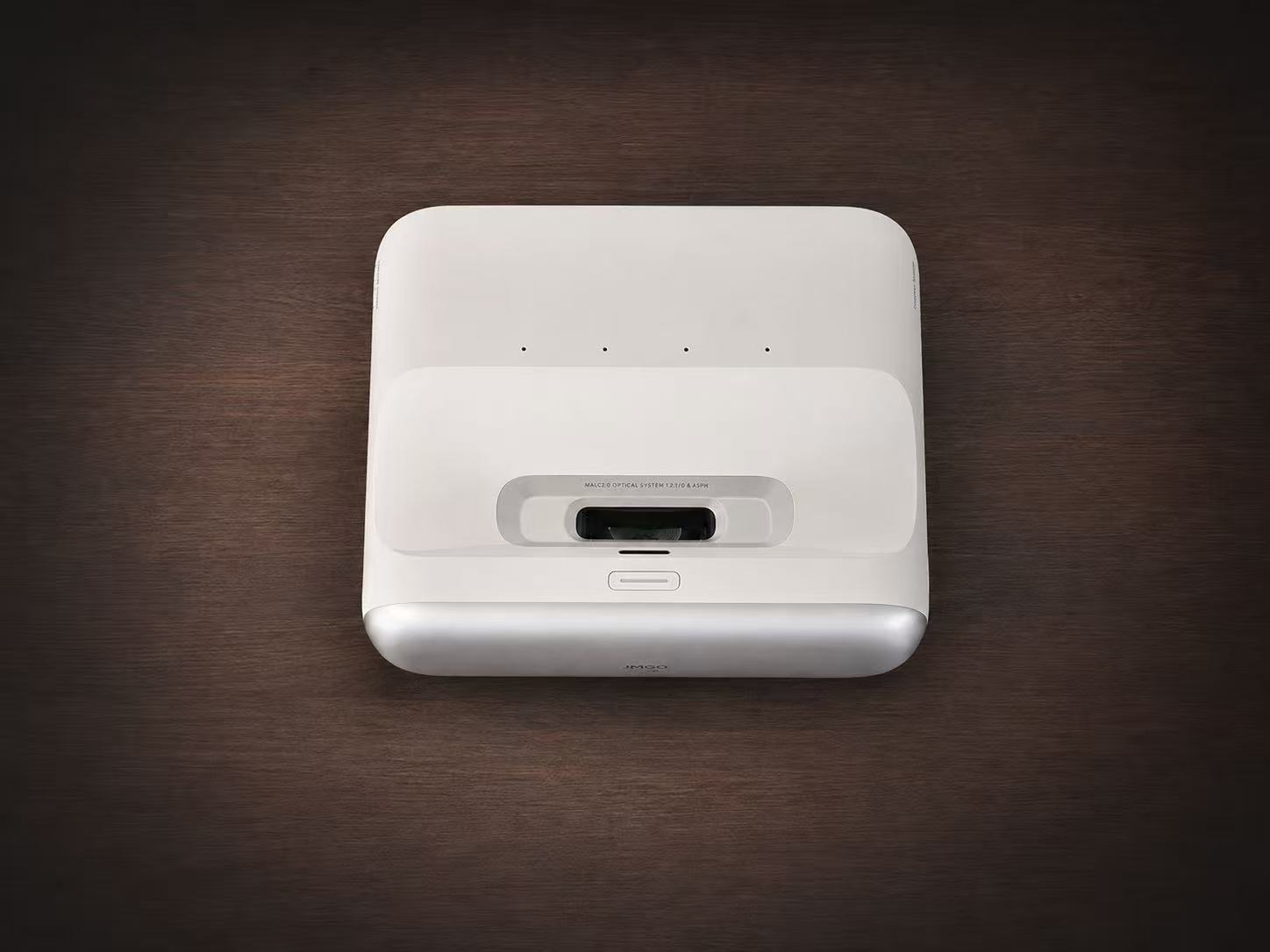 9.0CAVE SCORE
JMGO O2S Ultra
A sharp, immersive home-cinema projector with impressive built-in sound.
Read the testing →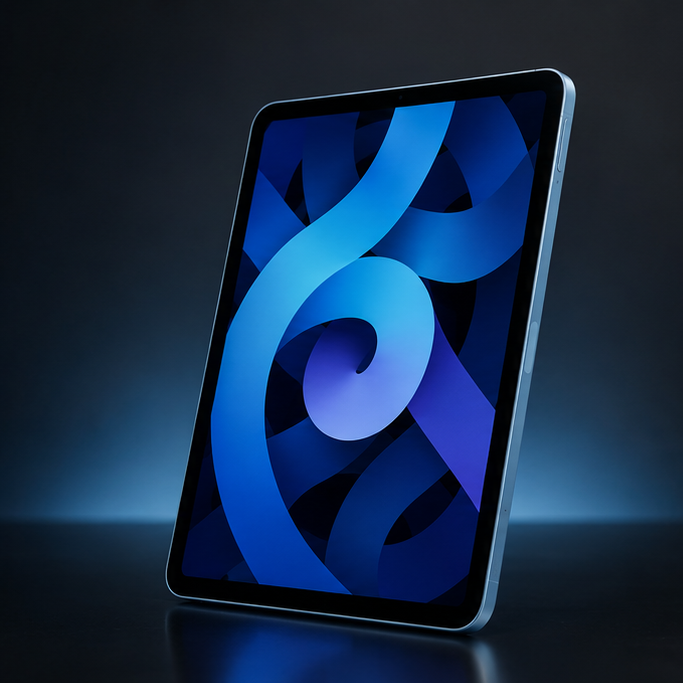 9.0CAVE SCORE
iPad Air 5th Generation
A thin M1 tablet that has remained useful for gaming, drawing, travel and communication for years.
Read the testing →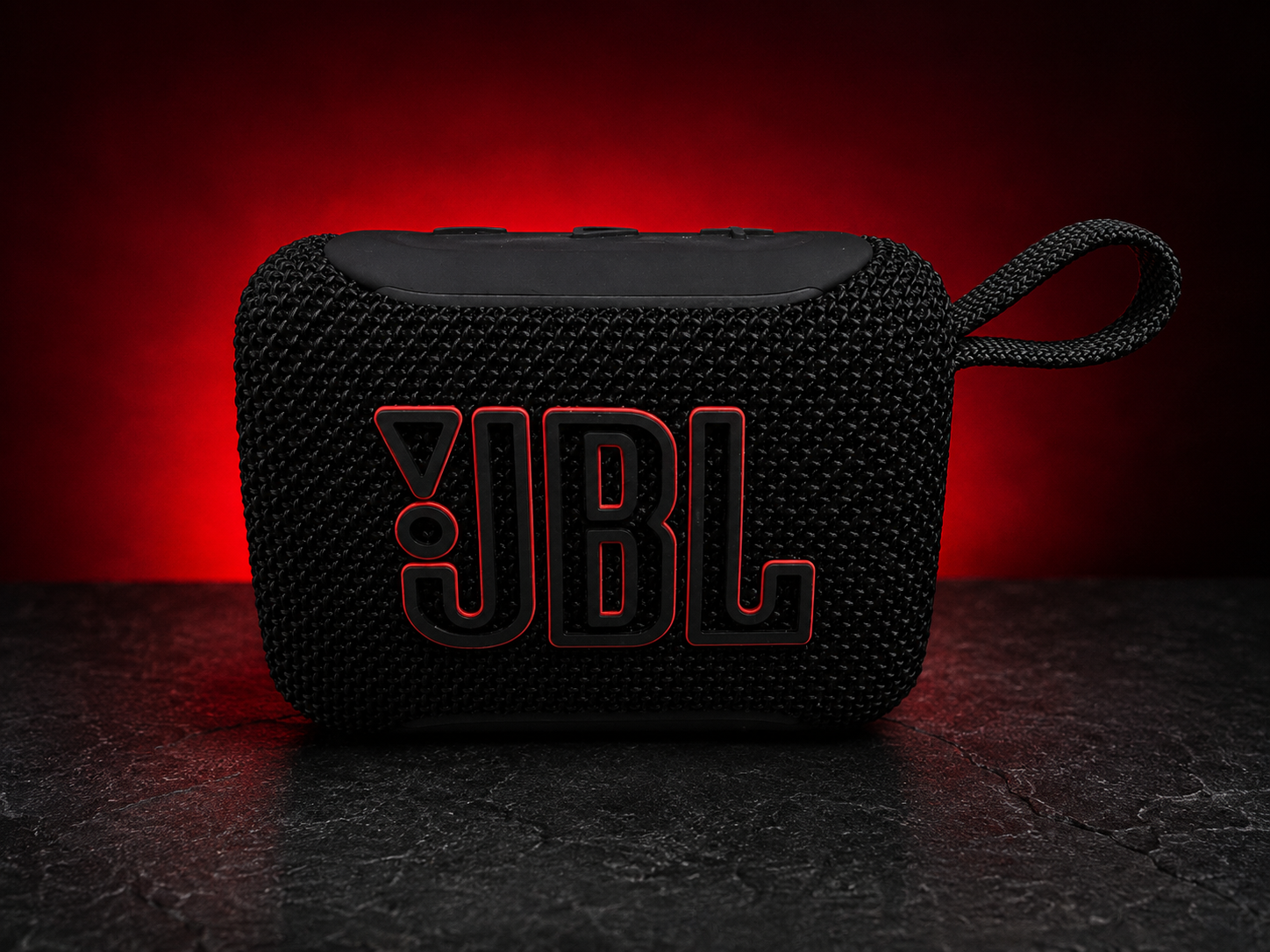 8.5CAVE SCORE
JBL Go 5
A genuinely portable outdoor speaker with strong sound, IP68 protection and useful app controls.
Read the testing →THE 6.0 LESSON
The Nokia became e-waste—not because it was broken, but because it was the wrong product for its user.
After six months, its limited features meant it stopped being useful to Lucas. The Nokia 2660 Flip may still suit an older user who wants big buttons and simple calls, but this shows why matching a product to the buyer matters. Before purchasing, ask: Will I actually use this a year from now?
Read the Nokia review →MELBOURNE REPAIR & RECYCLING MAP NO PAID API REQUIRED
Give your tech
a better ending.
Filter the map to find council e-waste centres, a battery drop-off point and volunteer repair cafes across Melbourne. Always check the linked organisation before visiting because accepted items, fees and session times can change.
E-waste recycling
↗Monash Recycling & Waste Centre
380 Ferntree Gully Road, Notting Hill VIC 3168
E-waste recycling
↗Whitehorse Recycling & Waste Centre
Corner Burwood Highway and Morack Road, Vermont South VIC 3133
E-waste recycling
↗Boroondara Recycling & Waste Centre
648 Riversdale Road, Camberwell VIC 3124
E-waste recycling
↗Knox Transfer Station
251 George Street, Wantirna South VIC 3152
Battery recycling
↗Monash Civic Centre Battery Point
293 Springvale Road, Glen Waverley VIC 3150
Repair cafes
↗Knox Repair Cafe — Ferntree Gully
1010 Burwood Highway, Ferntree Gully VIC 3156
Repair cafes
↗Whitehorse Repair Cafe
Strathdon House, 449–465 Springvale Road, Forest Hill VIC 3131
Repair cafes
↗Melbourne Repair Cafe
Yarraville Community Centre, 59 Francis Street, Yarraville VIC 3013
Repair cafes
↗St Kilda Repair Cafe
Port Phillip EcoCentre, 55A Blessington Street, St Kilda VIC 3182
LAST VERIFIED: 21 AUGUST 2026. Map positions are a guide. Check the organisation’s official information before travelling. Never place batteries or e-waste in a household bin.
THE CAVE PROMISE